Turning the Tables on Traditional Readings
Welcome to the topsy-turvy world of reversed Tarot cards! If life has ever felt like a cosmic game of Uno and you’ve been hit with a “Reverse” card, you’re in the right place. Let’s dive into the quirky, sometimes hilarious, and always enlightening universe of Tarot’s upside-down messages. Grab your popcorn (or salted popcorn on vanilla ice cream if you’re feeling adventurous) because things are about to get interesting!
What Do Reversed Tarot Cards Mean?
When a Tarot card flips its script and shows up reversed, it can take on an entirely different meaning from its upright counterpart. Some might think reversed cards guarantee bad news, but that’s far from the truth. Often, these cards deliver good news or modify the primary message by strengthening, weakening, or redirecting it. Think of them as plot twists in your Tarot narrative—a way to add depth and intrigue to your readings.
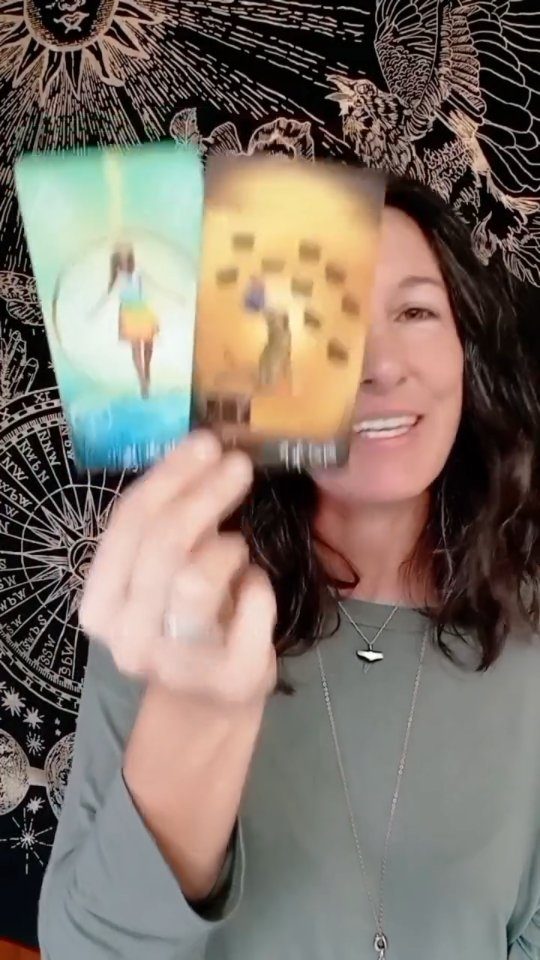
For me, reading reversed cards is like going on a visual journey. The direction of the imagery becomes a focal point, guiding my intuition and offering an extra layer of meaning. It’s like the cards are whispering secrets they wouldn’t dare reveal if upright. Plus, who doesn’t love a good twist?
A Brief History of Reversed Tarot Cards
Historically, reversed cards often carried negative connotations, seen as bad omens or warnings. However, as our understanding of Tarot has evolved, so has our interpretation of these topsy-turvy cards. Modern Tarot practice embraces reversed cards as part of a broader spectrum of meanings, highlighting both light and shadow aspects. It’s the Tarot’s way of saying, “Surprise! There’s more to the story.”
Why Reversed Cards Aren’t the Villains of Tarot
In today’s readings, reversed cards provide nuance rather than negativity. They often suggest:
• Blocked or delayed energy: An outcome might take longer than expected.
• Internalized energy: Focus shifts inward, prompting self-reflection.
• Redirection: A need to change course or adjust your approach.
Think of reversed cards as uncovering your favorite superhero’s brooding alter ego. Suddenly, the story gets a lot more complex and interesting.
Visual Interpretation: A Unique Approach
As a visual reader, the imagery and direction of the cards are paramount in my practice. When a card appears reversed, it guides my intuition toward where its energy is pointing or what it’s trying to highlight. It’s like finding Easter eggs in a movie—subtle clues that enhance the narrative.
Here’s a fun scenario to illustrate:
The Queen of Pentacles Reversed Meets the Queen of Pentacles Upright
Imagine the Queen of Pentacles reversed and the Queen of Pentacles upright walk into a bar. The bartender, a bemused High Priestess, greets them.
Queen of Pentacles Reversed: “I’ll have something strong. My garden’s overrun with weeds, I’m financially stressed, and I’m out of energy. Life’s a mess.”
Queen of Pentacles Upright: “Perhaps you need to reconnect with your nurturing side. When you’re grounded and balanced, you’re the one who thrives in creating abundance and harmony. What happened to your routines?”
Queen of Pentacles Reversed: “Routines? I’ve been so focused on everyone else that I’ve lost touch with what grounds me. It’s hard to keep giving when your cup is empty.”
Queen of Pentacles Upright: “Exactly! When I’m in my element, I’m organized, nurturing, and abundant. It’s about finding balance and making time for yourself. Why not start small? Maybe tend to your garden or spend time in nature—it always helps me.”
Queen of Pentacles Reversed: “You’re right. I’ve been neglecting the basics. Maybe I do need to pause and regroup. Thanks for the reminder.”
The two queens raise their glasses, acknowledging the importance of both balance and self-care. The High Priestess silently nods in approval from behind the bar.
Myths About Reversed Tarot Cards
Let’s debunk some common misconceptions:
1. Reversed = Bad News: Not true! A reversed card might amplify a positive message or suggest internal growth. For example, a reversed Ten of Cups could point to personal contentment rather than external celebration—happiness in sweatpants instead of a black-tie gala.
2. It’s Always Literal: Reversed cards often hint at subtler, internal processes. For instance, a reversed Ace of Wands might signal creative blocks or untapped potential.
3. Direction Doesn’t Matter: Pay attention to where the imagery points. It can guide your focus to another card or aspect of the reading.
Practical Tips for Reading Reversed Tarot Cards
• Don’t Panic: A reversed card isn’t the Tarot equivalent of seeing your ex at a party. Take a deep breath and examine the spread.
• Context is Key: Surrounding cards provide clues. A reversed card’s meaning often depends on its neighbors.
• Internal vs. External: Consider whether the card’s energy is playing out internally or externally.
• Directional Cues: Note where the reversed card’s imagery points. It might highlight what needs your attention
Embrace the Depth of Reversed Tarot Cards
Reversed Tarot cards encourage us to dig deeper, ask uncomfortable questions, and explore hidden truths. They add complexity to readings, allowing for a richer, more holistic understanding of the querent’s journey. It’s like adding a pinch of salt to chocolate chip cookies—unexpected but totally enhancing.
Next time a reversed card pops up, welcome it with open arms. It’s there to offer depth, nuance, and insight, reminding us that life’s wisdom isn’t always straightforward. Whether upright or reversed, every card contributes to the bigger picture.
Happy reading!