Embracing Wholeness
The interplay of light and shadow is a universal theme that transcends cultures, histories, and individual experiences. Yet, for centuries, society has framed light as “good” and darkness as “evil,” creating a binary that oversimplifies the complexity of human existence. What if, instead of fearing the shadow, we embraced it as an essential part of our growth? What if the light and dark within us are not opposites but partners in our journey toward wholeness?
This post invites you to explore the beauty and necessity of both light and shadow, offering a fresh perspective on how they shape our lives.
Redefining Light and Shadow
Light is often associated with hope, clarity, and inspiration. It’s where we feel most alive, creative, and connected. Yet, the shadow—the parts of ourselves and the world we’ve been taught to suppress or fear—holds equal importance. The shadow is where transformation begins. It’s where we confront uncomfortable truths, uncover hidden strengths, and learn to move forward with authenticity.
The concept of light and shadow as complementary forces is rooted in various philosophies and spiritual traditions. Carl Jung, the renowned psychologist, introduced the idea of the “shadow self” as the unconscious aspects of our personality that we reject or ignore. Jung believed that integrating these shadow aspects was crucial for achieving psychological wholeness. Similarly, in Taoism, the yin-yang symbol illustrates how light and dark are interconnected, each containing a seed of the other.
By embracing both light and shadow, we move beyond duality and into a space of balance and unity.
The Misunderstood Nature of Darkness
Darkness is often misunderstood. It’s not inherently “bad” or “evil”; it’s simply the unknown, the unexamined, and the unexplored. Consider the night sky: it’s only in the absence of light that we can see the stars. Similarly, the shadow aspects of ourselves and society hold untapped potential and wisdom.
Fear of darkness often stems from societal conditioning. We’re taught to avoid discomfort, to shy away from what we don’t understand. But what if we reframed darkness as a space of possibility? What if we saw it as an invitation to explore, learn, and grow?
Shadow Work: A Path to Authenticity
Shadow work is the practice of exploring the parts of ourselves we’ve hidden, judged, or ignored. It’s about sitting with discomfort, peeling back layers of conditioning, and meeting ourselves with compassion. This process can be challenging, but it’s also deeply rewarding.
Shadow work isn’t exclusive to spiritual practitioners or therapists; it’s for anyone willing to embrace their full humanity. By confronting our fears, insecurities, and past traumas, we uncover hidden strengths and insights. For example, someone who has struggled with anger might discover that beneath that emotion lies a deep sense of justice or a desire for change.
This practice invites us to move beyond labels of “good” and “bad” and to see ourselves—and others—with greater empathy and understanding.
Breaking Free from Stigma
Despite its transformative potential, shadow work—and many of the tools associated with it—has faced misunderstanding or dismissal. Practices like tarot, energy healing, and other introspective tools are sometimes labelled as “occult” or “frivolous” by those unfamiliar with their purpose or history.
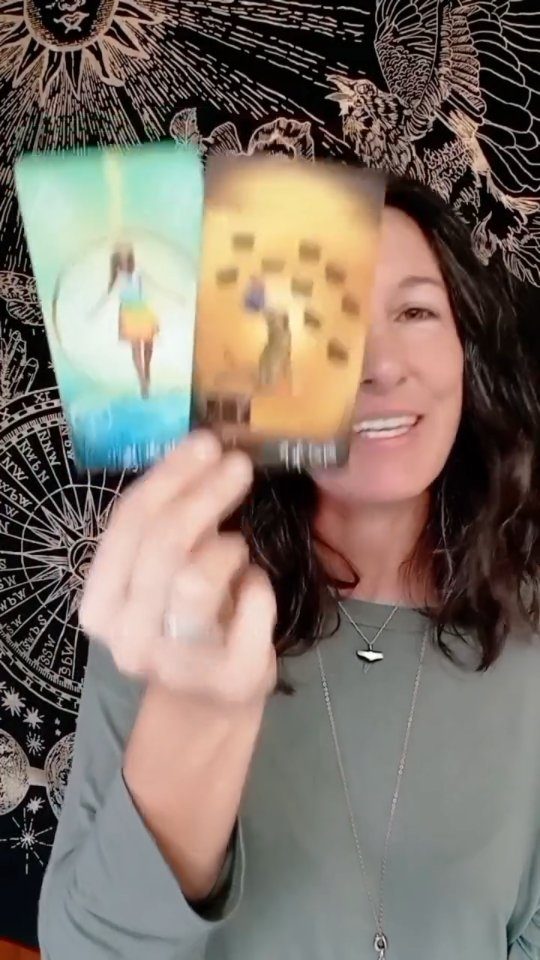
For example, tarot cards, which originated as a card game in 15th-century Europe, were later adopted as a tool for introspection and self-discovery. Despite their rich history and psychological value, tarot readings are sometimes dismissed by sceptics who view them as unscientific or superstitious. Similarly, energy healing practices like Reiki have faced scepticism, though they are increasingly being studied for their potential benefits in complementary medicine.
As an energy mediator, I’ve witnessed firsthand how energy work can help individuals navigate their inner landscapes, releasing blockages and restoring balance. Energy mediation is not about mysticism or magic; it’s about facilitating the natural flow of energy within and around us. Whether through Reiki, chakra balancing, or other modalities, energy mediators serve as guides, helping others reconnect with their innate wholeness.
It’s important to recognize that these tools and practices are not about predicting the future or embracing the occult; they are about fostering self-awareness, healing, and personal growth. As society becomes more open to holistic approaches to well-being, these practices are gaining broader acceptance.
An Invitation to Explore
What if we stopped fearing the dark and started exploring it instead? What if we saw the shadow not as something to fight but as a partner in our growth? Whether you’re a seasoned spiritual seeker, an energy mediator like myself, or someone simply curious about self-discovery, this work is for you.
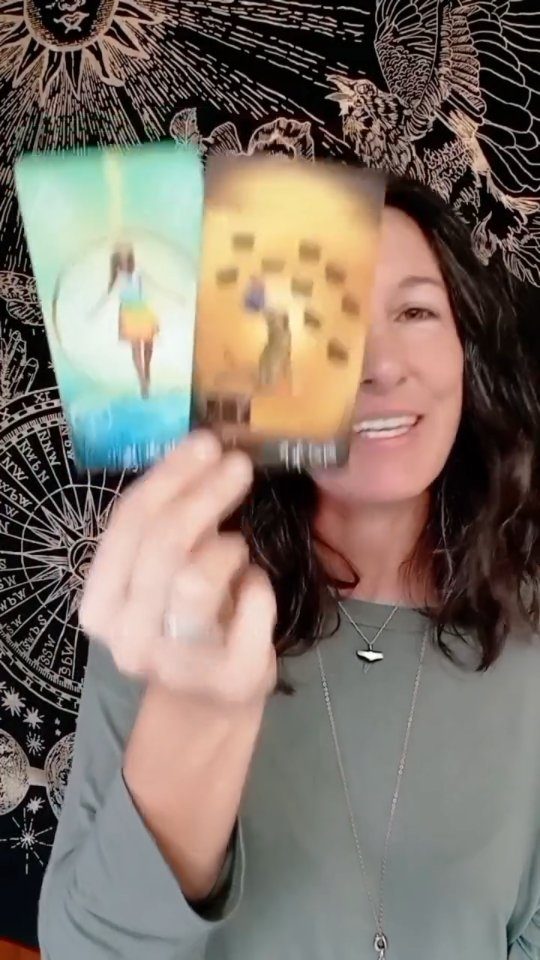
Tools like tarot, journaling, therapy, or energy healing can illuminate the journey. Tarot acts as a mirror, reflecting the hidden aspects of our psyche and offering insights into our inner world. Energy mediation, on the other hand, helps us release blockages and restore balance, creating space for transformation and healing. These practices don’t judge; they reveal. Through them, we can begin to see ourselves—and the world—with fresh eyes.
Embracing Wholeness
The journey of light and shadow isn’t about choosing one over the other. It’s about embracing both, recognizing that we are multifaceted beings. By welcoming all aspects of ourselves, we create space for transformation, healing, and authenticity.
So, what parts of yourself are you ready to explore? What truths are waiting to be uncovered in the shadow? Whether you’re beginning your journey or deepening it, the path is here for you to walk.
With curiosity and love, let’s embrace the wholeness within us all.