Tarot and the Tightrope: When the Cards Turn into a Crutch
As a professional tarot reader, I’ve seen the cards work their magic in countless ways, offering insight, clarity, and a touch of cosmic wisdom when you need it most. Tarot can be an incredibly powerful tool, but like any powerful tool, it has its dangers—especially when it starts to become a crutch rather than a guide.
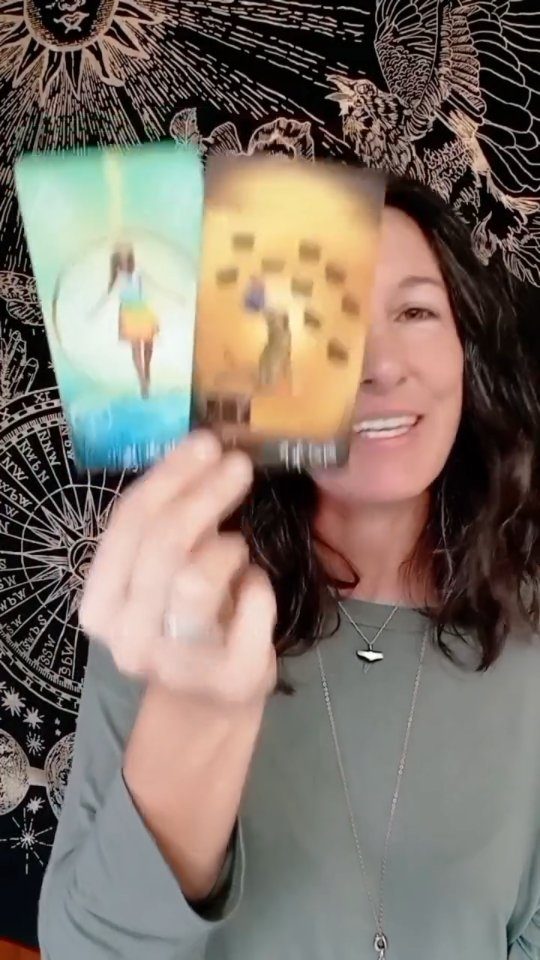
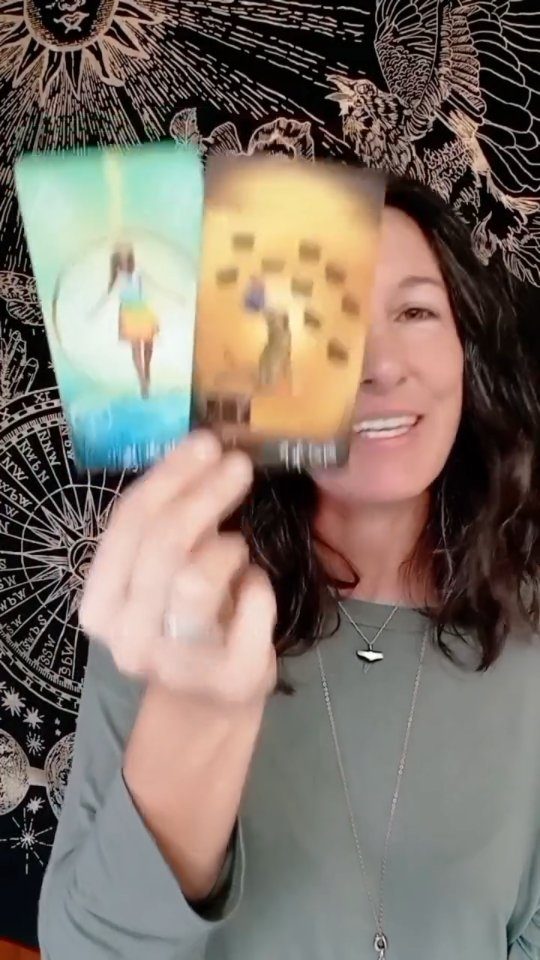
This blog post was inspired by a little tarot session I did for myself. I asked my cards a simple yet profound question: “How can tarot be a negative thing?” And what did I draw? The Four of Pentacles and the Ace of Cups. These two cards together delivered a message that hit home: holding on too tightly to a specific translation or outcome can close you off to the new emotions and opportunities life has to offer. It got me thinking about how tarot, when used incorrectly, can lead to some sticky situations.
The Four of Pentacles: The Tight Grip of Tarot Obsession
The Four of Pentacles is a card that often speaks of control, possession, and the fear of letting go. When you’re doing tarot readings for yourself—especially if you’re doing them too frequently—this card can represent the danger of clinging too tightly to a particular interpretation or desired outcome. It’s easy to get caught up in what you want the cards to say, rather than what they are actually telling you.
In this scenario, tarot can become less of a tool for guidance and more of an echo chamber for your anxieties and desires. The Four of Pentacles reminds us that when we hold on too tightly, we end up stifling the flow of life, much like trying to grip water in a tightly clenched fist. The tighter you squeeze, the less you actually have.
The Ace of Cups: Missing Out on Life’s Overflowing Possibilities
Enter the Ace of Cups, the card of new beginnings, emotions, and the overflowing abundance of life. When paired with the Four of Pentacles, it serves as a poignant reminder that by being too fixated on one interpretation or outcome, we risk closing ourselves off to the new experiences and emotions that life is offering us.
Picture this: you’re asking the same question over and over again, hoping for a different answer each time. The Ace of Cups gently nudges us to let go of our need for control and to be open to the unexpected. Life is fluid and ever-changing, and clinging to a single perspective can block the flow of new emotions, insights, and opportunities that could be just around the corner.
When Tarot Becomes an Addiction
Now, let’s talk about what happens when tarot turns from a helpful tool into a full-blown addiction. It’s one thing to turn to the cards when you’re feeling lost, but it’s another to consult them obsessively, hoping to force them into giving you the answer you want. When tarot becomes an obsession, it can lead to a cycle of dependency where you’re no longer using the cards for insight, but rather as a way to validate your fears or desires.
This can lead to a whole lot of anxiety, confusion, and a loss of trust in your own intuition. Instead of finding clarity, you’re stuck in a loop, asking the same questions and getting stuck in the same answers, all the while missing out on the new opportunities and emotions that the Ace of Cups promises.
How Often Should You Read Tarot for Yourself?
So, how often should you do a tarot reading for yourself? There’s no strict rule here, but moderation is definitely key. Tarot is meant to be a tool for reflection and insight, not a daily horoscope to be obsessed over. Checking in with the cards once a week or even once a month can be enough to provide clarity and guidance without falling into the trap of over-reliance.
When you do a reading for yourself, approach it with an open mind and heart. Instead of focusing on a specific outcome, allow the cards to guide you toward the insights you need, even if they’re not what you expected. And remember, sometimes the best thing you can do is step back and let life unfold naturally, without the need for constant tarot consultations.
A Light-Hearted but Serious Reminder
I hope this post serves as a gentle reminder that while tarot can be a wonderful source of guidance, it’s important not to let it become a crutch. The cards are there to help you explore possibilities, not to dictate every move you make. If you find yourself reaching for the deck a little too often, take a step back and ask yourself if you’re using tarot to expand your understanding—or to avoid the uncertainty of life.
Tarot is a tool, it’s there to enhance your life, not control it. So, the next time you’re tempted to ask the cards the same question for the tenth time, remember the Four of Pentacles and the Ace of Cups. Loosen your grip, open your heart, and let the universe surprise you. You might just find that the answers you’re looking for come from within.
And if nothing else, at least you’ll save yourself the time spent in that endless shuffle—both literally and metaphorically!